A dripping tap is one of those small annoyances that homeowners and business owners tend to ignore — until the water bill arrives or the constant drip starts driving everyone in the house a little crazy. What starts as a minor nuisance can quickly turn into a bigger plumbing issue if left unaddressed.
This guide walks through why taps leak, when it’s safe to try a fix yourself, and when it’s time to call in a professional.
Why Do Taps Leak in the First Place?
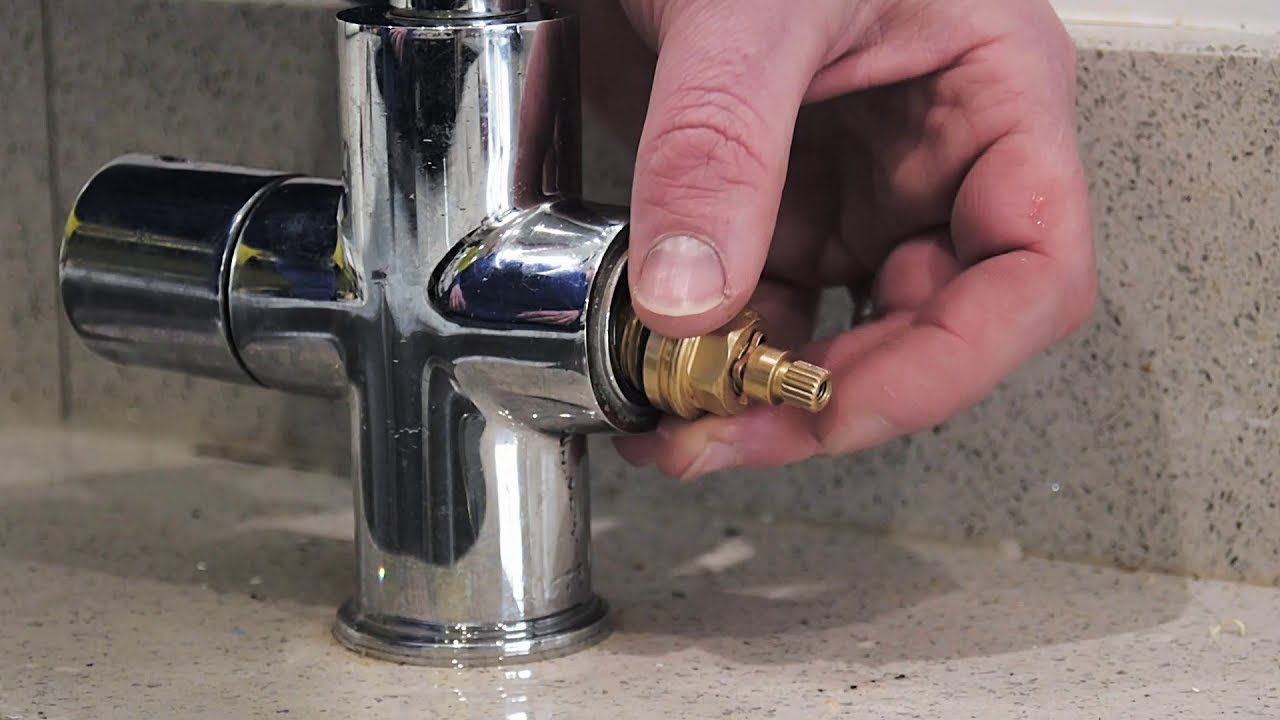
Every tap is made up of several small components working together — washers, O-rings, cartridges, valve seats, and springs. Over time, these parts wear down from everyday use, mineral buildup, or water pressure fluctuations. A few of the most common culprits behind a leaking or dripping tap include:
Worn-out washers — In older compression taps, the rubber washer that seals the valve seat wears out over time. Once it hardens or cracks, water begins to seep through even when the tap is fully closed.
Damaged O-rings — These small rubber rings sit around the stem of the tap and prevent water from leaking around the handle. A worn O-ring often causes water to drip from the base of the handle rather than the spout.
Corroded valve seats — The valve seat connects the faucet and the spout. Mineral deposits from hard water can corrode this connection, leading to leaks around the spigot area.
Loose parts — Everyday use can loosen internal components over time, especially in high-traffic kitchens and bathrooms. This is one of the most common reasons taps start dripping suddenly after years of normal function.
High water pressure — Unusually high water pressure puts extra strain on tap components, causing them to wear out faster than expected.
Identifying the root cause matters, because a quick fix that ignores the underlying issue often means the same leak returns within weeks.
Signs Your Tap Needs Repair
Not every plumbing issue is obvious right away. Here are some signs that indicate a tap needs attention:
- A slow, steady drip even when the tap is fully closed
- Water pooling around the base of the tap or under the sink
- A handle that feels loose, stiff, or difficult to turn
- Reduced water pressure or an inconsistent flow
- Unusual noises (squeaking, banging, or rattling) when the tap is in use
- Visible corrosion, rust, or mineral buildup around the fixture
Noticing any of these signs in a kitchen, bathroom, or commercial property is usually a good indicator that it’s time for a closer look.
Why a Dripping Tap Is More Than Just Annoying
It’s easy to underestimate a small leak, but the long-term costs can add up fast. A tap that drips once per second can waste thousands of gallons of water over the course of a year. For commercial properties, that adds up even faster and can significantly increase monthly water bills.
Beyond the financial impact, a persistent leak can lead to:
- Water damage to cabinets, countertops, and flooring
- Mold and mildew growth in damp, hidden areas
- Increased mineral buildup in pipes and fixtures
- Added strain on the overall plumbing system
Addressing a leak early is almost always less expensive and less disruptive than waiting until it causes structural or water damage.
DIY vs. Professional Tap Repair
It’s easy to see the appeal of trying to fix a leaky tap yourself — it can feel like a simple job. In some cases, a basic washer replacement is manageable for someone comfortable with basic tools. However, there are a few reasons this kind of repair often benefits from professional attention:
Correct diagnosis matters. What looks like a simple washer issue might actually be a cracked valve seat or a failing cartridge — parts that require specific tools and replacement components to fix properly.
Modern taps are more complex. Many newer taps use cartridge-based systems rather than traditional compression valves, and repairing them incorrectly can cause more damage than good.
Water shutoff and safety. Improperly shutting off water lines or reassembling a tap can lead to leaks elsewhere in the plumbing system, sometimes in places that are harder to detect.
Long-term reliability. A properly diagnosed and repaired tap is less likely to develop the same issue again shortly after, especially important for commercial properties where downtime matters.
If a tap issue seems beyond a simple fix, or a DIY attempt hasn’t solved the problem, it’s worth having a professional tap repair service take a closer look rather than risking further damage.
What to Expect From a Professional Tap Repair
A typical professional tap repair follows a straightforward process:
1. Inspection — Identifying the exact source of the leak or malfunction by checking the washer, O-ring, cartridge, and valve seat.
2. Diagnosis — Determining what’s actually causing the problem and outlining the most appropriate fix — whether that’s a simple part replacement or a more involved repair.
3. Repair — Completing the repair using the right tools and quality replacement parts, whether it’s a kitchen faucet, bathroom tap, or commercial fixture.
4. Testing — Confirming the leak is fully resolved and water flow is working as it should before considering the job complete.
This process applies whether it’s a single dripping kitchen faucet at home or multiple fixtures across a commercial property.
Residential and Commercial Tap Repair
Tap issues don’t just happen in homes. Restaurants, office buildings, retail spaces, and multi-unit properties all rely on properly functioning taps every day. A leaking or malfunctioning tap in a commercial setting can affect daily operations, increase water costs, and create an unprofessional impression for customers and clients.
Residential and commercial tap repairs each come with their own considerations — from the type of fixtures involved to the urgency of getting things fixed without disrupting daily operations.
Preventing Future Tap Problems
While not every leak can be prevented, a few simple habits can extend the life of a tap:
- Avoid over-tightening handles, which can wear down internal components faster
- Address small drips as soon as they’re noticed, rather than waiting
- Consider a water softener if hard water and frequent mineral buildup are an issue
- Schedule periodic plumbing checkups, especially for commercial properties with heavy daily use
Taking these steps can help reduce the frequency of repairs and keep a plumbing system running smoothly for years.
When It’s Time to Call a Professional
A persistent drip, a handle that won’t turn smoothly, or visible signs of wear around a tap are all worth having looked at sooner rather than later. What seems like a minor inconvenience today can lead to bigger, more expensive plumbing issues down the road.
Whether it’s a single kitchen faucet or a full commercial property with multiple fixtures, having an experienced assessment ensures the problem gets fixed correctly the first time.
Conclusion
A leaking or malfunctioning tap might seem like a small issue, but it’s often a sign of a larger underlying problem that only gets worse with time. Whether it’s a single dripping faucet at home or multiple fixtures across a commercial space, getting it properly diagnosed and repaired can save money, water, and future headaches.
At Main Plumbing Inc, we bring 15+ years of hands-on experience to every job, big or small — committed to honest diagnostics, quality repairs, and lasting results for residential and commercial customers alike.